Know students and how they learn
Developmental learning, differentiation, trauma-informed access, disability adjustments and First Nations perspectives.
Evidence: PTSD literacy review · First Nations philosophy · placement reflectionsTeaching ePortfolio
Outdoor Education · Health & Physical Education · English
Experiential, evidence-informed teaching grounded in high expectations, real-world learning, student responsibility and strong relationships.
Introduction
I am transitioning into secondary teaching after a professional career spanning paramedicine, emergency response, leadership and tertiary teaching. That background has made clear communication, calm decision-making, teamwork and practical application central to the way I approach learning.
My strongest curriculum interests are Outdoor Education, Health and Physical Education, and English, reflecting my studies in Sport Studies and English Literature as well as my professional experience in health and education. Within HPE, I am drawn to movement and performance—from Australian Rules Football and fitness and conditioning to trail running—and to the physiology that underpins health, recovery and adaptation. I also value the way outdoor and interdisciplinary contexts can connect health, biology, marine science, language and practical decision-making.
Teaching philosophy
My professional and teaching experience has reinforced a simple principle: students learn best when expectations are clear, learning is purposeful, and knowledge is put to use. I value learning that moves between explanation, practice, reflection and application, whether the setting is a classroom, a field or the outdoors.
I believe students learn most powerfully when knowledge is connected to authentic, real-world contexts and when they can see why the learning matters. My role is to make the purpose, expectations and success criteria clear, provide the modelling and support needed to begin successfully, and then progressively transfer responsibility to students.
High expectations matter, but they should be paired with structure, appropriate scaffolding, useful feedback and achievable pathways toward independence. Students should be active participants in their learning: asking questions, making decisions, practising difficult skills, reflecting on feedback and taking increasing ownership of the quality of their work.
My developing classroom practice is calm, firm and consistent. I want students to experience a safe and orderly environment in which relationships are respectful, boundaries are clear, and mistakes are treated as information for improvement rather than a reason to lower expectations.
“Students should understand not only what they are doing, but why they are doing it and how it relates to the intended learning.”
Challenge becomes valuable learning when students have the knowledge, support and responsibility to respond well.
Evidence of Professional Practice
My developmental-domains review distinguishes novice and expert processing, prior knowledge and the need to change support as expertise develops.
My academic work examines working-memory limits, schema development, cognitive overload, retrieval and the importance of carefully sequenced instruction.
I use guided practice, progressive challenge and gradual withdrawal of support. The soccer sequence moves from controlled passing to pressured possession and applied game play.
My developmental-domains assignment directly critiques learning-style matching and redirects practice toward explicit instruction, retrieval and other evidence-informed strategies.
Progressive HPE tasks, retrieval through questioning and sequenced resource design show increasing complexity while keeping the learning goal visible.
My practice combines explicit expectations, modelling, demonstration, worked examples and scaffolded release toward student independence.
I use questioning, observation, work samples, formative performance feedback, digital tasks and reflection to check understanding and adjust instruction.
My secondary focus is disciplinary literacy rather than early-reading phonics. Evidence includes English/media tasks and research on explicit reading and writing instruction across subject areas.
HPE activities integrate practical numeracy through fitness data, heart-rate interpretation, distance, angles, space, force and movement analysis.
My academic work links MTSS/PBL with Tier 1 routines, explicit instruction, scaffolding, progress monitoring and mastery-oriented feedback.
My placement reflections emphasise clear expectations before activities, consistent routines and smooth transitions. The digital checklist is an example that turns those expectations into a practical, student-facing routine.
I use purposeful lesson pacing, visible learning intentions, active monitoring, clear task purpose and accessible entry points as proactive engagement strategies.
High expectations are paired with relationships, explicit success criteria, achievable progression and student responsibility for learning.
My reflections document a deliberate move toward calm, firm and consistent management using silence, proximity, active monitoring, direct questioning and follow-through rather than raised volume.
Placement experience included school-wide PBL/behaviour expectations, while my academic work examines PBL within an MTSS framework.
My First Nations teaching philosophy and redesigned lesson examine culturally responsive pedagogy, relational learning, Country, community links and APST 1.4/2.4.
My academic work considers culturally responsive participation, explicit academic vocabulary, reduced hidden expectations and multiple ways to demonstrate learning.
My work recognises families and caregivers as partners in supporting learning, wellbeing, adjustments and communication, including within tiered support.
My trauma-literacy review examines legal and ethical obligations, reasonable adjustments, UDL, safe participation and maintaining rigorous learning goals for students with disability-related barriers.
Evidence of practice
Open any item to review the lesson, resource, interactive activity, video or academic work in full. Public copies are de-identified where required.
Outdoor education offers a natural setting for teamwork, risk awareness, judgement, environmental responsibility and shared achievement.
Australian Professional Standards for Teachers
The examples below draw on my lesson plans, academic work, teaching placements and professional experience, and show how these relate to the seven Australian Professional Standards for Teachers (APST).
Developmental learning, differentiation, trauma-informed access, disability adjustments and First Nations perspectives.
Evidence: PTSD literacy review · First Nations philosophy · placement reflectionsHPE curriculum, movement concepts, disciplinary literacy, outdoor safety, digital communication and culturally responsive content.
Evidence: Soccer plan · Hike Smart · Digital Consent · First Nations workSequenced lessons, varied strategies, ICT, explicit expectations and purposeful learning activities.
Evidence: Soccer plan · Touch game · resource hubs · reflective practiceClear routines, inclusive participation, calm behaviour management, digital safety and outdoor risk awareness.
Evidence: Digital checklist · Hike Smart · PTSD review · placement practiceQuestioning, observation, performance feedback, data use and formative checks for understanding.
Evidence: Soccer plan · Fitness Data · placement feedbackSeeking feedback, observing colleagues, using research and changing subsequent lessons in response.
Evidence: placement reports · teaching reflections · academic researchProfessional conduct, teamwork, family engagement, policy awareness and participation beyond scheduled lessons.
Evidence: professional experience · leadership background · inclusive education researchProfessional background
University of Southern Queensland — curriculum, pedagogy, learner development, assessment and professional practice.
Facilitation of practical, theoretical and assessment components in tertiary paramedicine education.
Clinical decision-making, communication, teamwork and care in complex and high-pressure environments.
Independent emergency care, resilience, teamwork and operating safely in challenging environments.
Extended Major in Sport Studies and Major in English Literature.
Acknowledgement of Country
I recognise the enduring cultural connections that Aboriginal and Torres Strait Islander peoples and others have with Country, and acknowledge the contributions of past generations.
Caring for the land and waterways where we live, work and learn is a shared responsibility. Together, we can experience, appreciate and enjoy Australia's natural landscape for generations to come.
Beyond the classroom
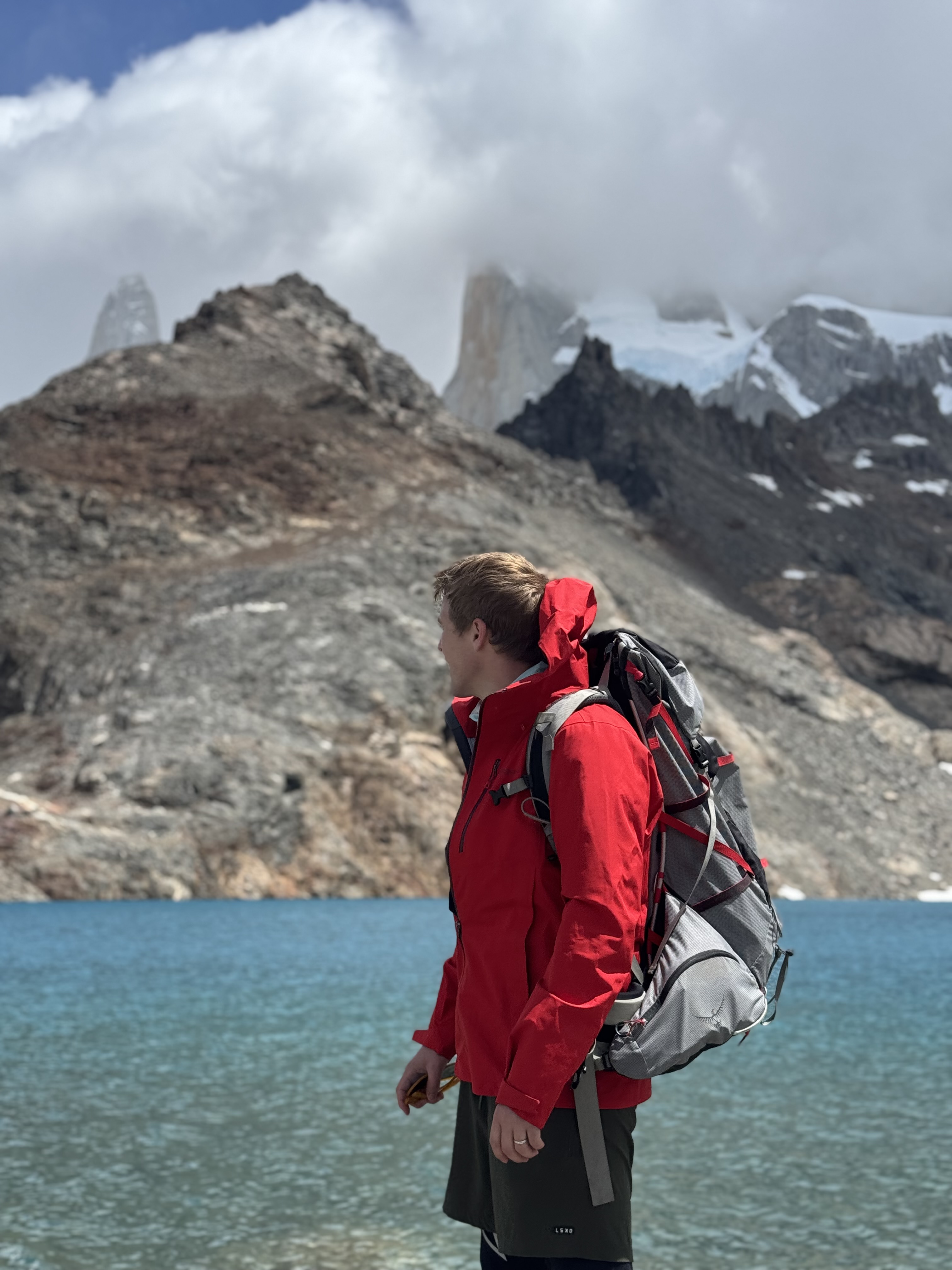
Outside teaching, I stay active through a range of outdoor activities, including hiking, trail running, climbing and scuba diving, alongside regular fitness training. I also follow Australian Rules Football and have a particular interest in exercise physiology, especially how the human body adapts to physical activity, recovery and different environments.
Travel, food and exploring new places are equally important to me, providing opportunities to experience different cultures, broaden my perspective and continue learning beyond the classroom.
Contact
For teaching opportunities, professional collaboration or portfolio enquiries.